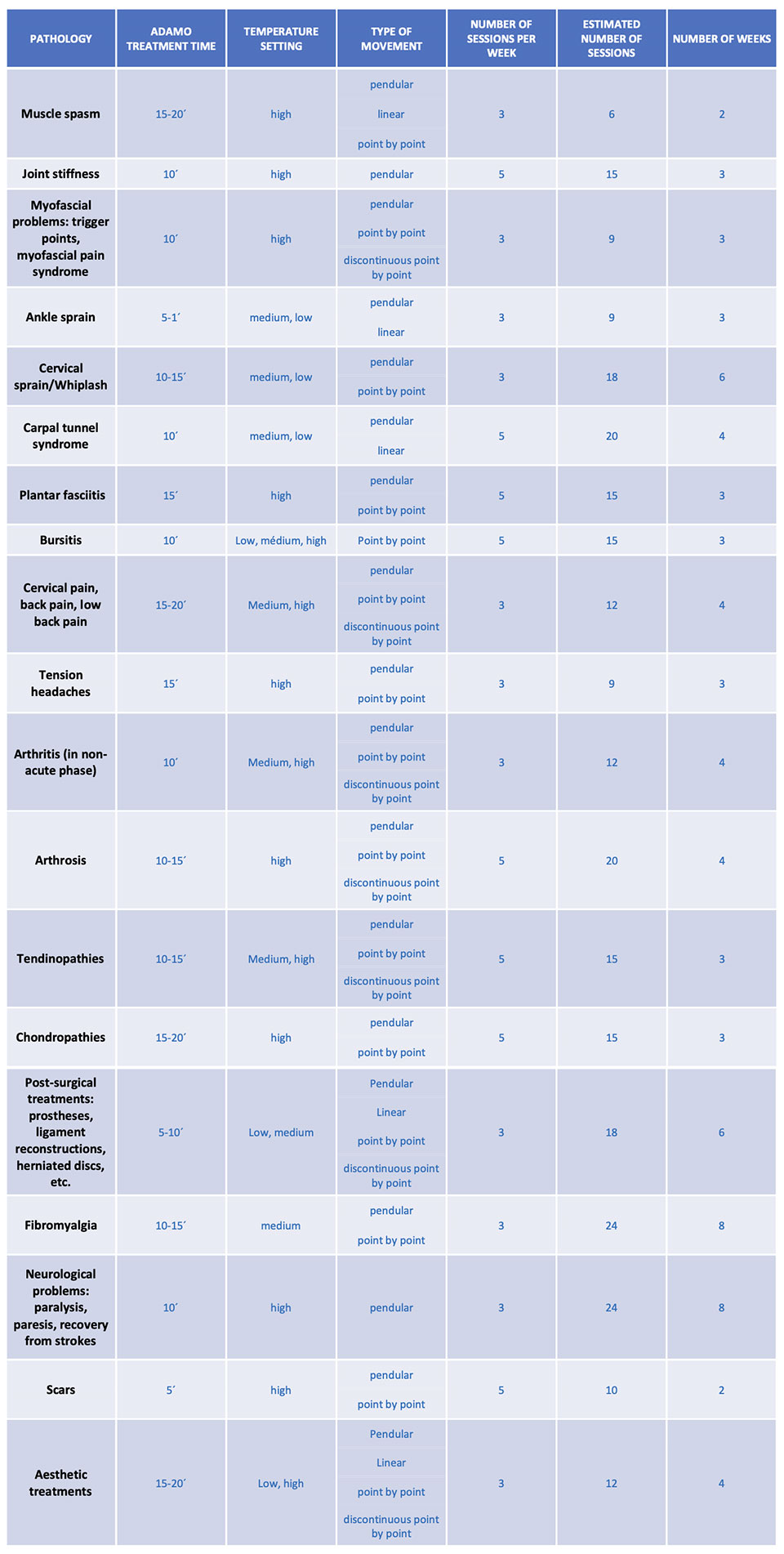
The following notes should be taken into account:
- The data reflected in this table, regarding the programming parameters of the robot are dependent on the final clinical decision of the healthcare professional, and are exclusively proposed according to the experience obtained. It is known that these parameters must be varied according to the evolution and state of the pathology, taking into account more acute or inflammatory phases vs. more chronic and/or degenerative phases.
- Recovery estimates are highly variable and depend on the rest of the actions in a physiotherapy session, such as mobilisations or therapeutic exercise.
- ADAMO ROBOT can support the physiotherapist in part of his manual tasks related to massage therapy and certain tissue manipulations to which thermotherapy is added. It does not replace the complete functions necessary for the rehabilitation of a person.
- This table does not reflect the benefit obtained by the diagnostic support through thermography provided by the device, which is of great value to health insurers in helping to objectify discharges.
3. RESEARCH PUBLISHED
 Using a Robot to Treat Non-specific Low Back Pain: Results From a Two-Arm, Single Blinded, Randomized Controlled Trial
Front Neurorobot. 2021; 15: 715632. Published online 2021 Sep14. Doi: 10.3389/fnbot.2021.715632 PMCID: PMC8478348 PMID: 34594197
Authors: Honorio Marín-Méndez, Patricia Marín-Novoa, Silvia Jiménez-Marín, Itziar Isidoro Garijo, Mercedes Ramos-Martínez, Miriam Bobadilla, Eduardo Mirpuri, Alfredo Martínez.
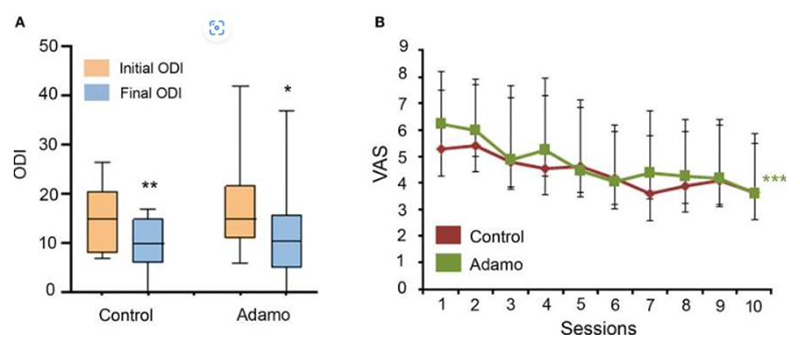
Non-specific low back pain (NSLBP) affects many people and represents a high cost for health care. Manual pressure release of myofascial trigger points is used to treat NSLBP and is very effective but difficult to standardize since it is provided by different therapists, which also suffer musculoskeletal complications from this highly repetitive activity. A robot designed for this purpose may help in reducing these problems. Here, we present data from a two-arm, single-blinded, randomized controlled clinical trial evaluating the efficiency of a therapeutic massage robot (ADAMO) in reducing NSLBP (clinicaltrials.gov, registration number: NCT04882748). Forty- four patients were randomly distributed into the two arms of the study (robot vs. control). A physician filled the Oswestry disability index (ODI) before starting the treatment and at the end of it, in a blind fashion. In addition, patients filled a visual analogue scale (VAS) after each of the 10 treatment sessions. The ODI and the VAS were analyzed as the primary and secondary outcome measures. Both treatments (robot and control) resulted in a significantly lower ODI (p < 0.05). On the other hand, robot-treated patients significantly reduced their VAS levels (p = 0.0001) whereas control treatment did not reach statistical significance. Patients of both sexes obtained similar benefits from either treatment.
Overweight patients (body mass index ≥ 25kg/m2) in the robot arm benefited more from the treatment (p = 0.008) than patients with normal weight. In conclusion, the ADAMO robot is, at least, as efficient as regular treatment in reducing low back pain, and may be more beneficial for specific patients, such as those with excessive weight.
4. COMPLETED PUBLICATIONS PENDING PUBLICATION
Rehabilitation treatment for post-covid patients through machine assisted thoracic massage
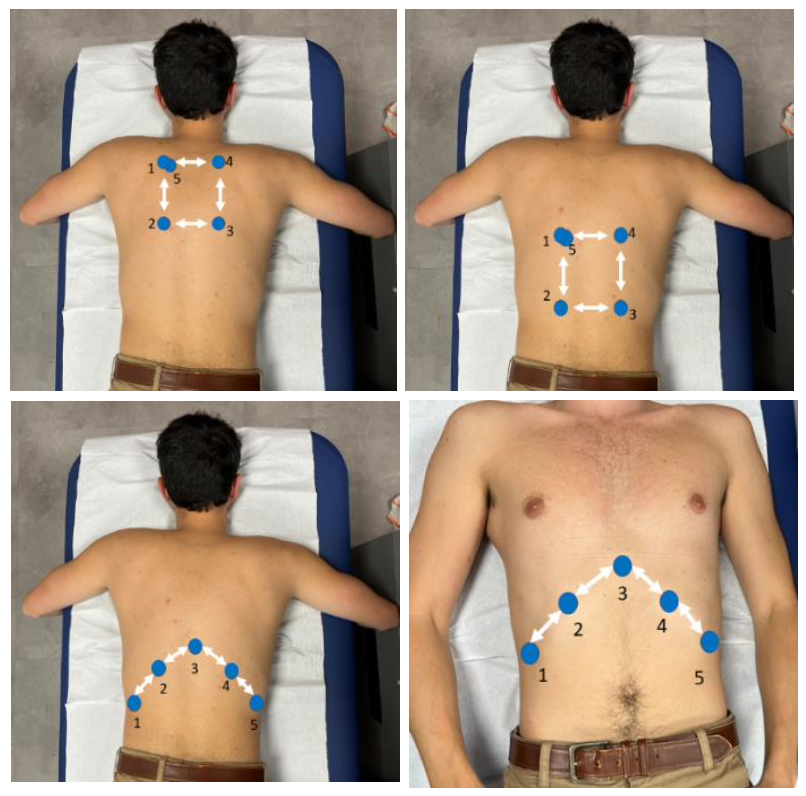 Authors: ADAMO Robot, Fundación Rioja Salud (FRS) – Innovation Centre of the San Pedro Hospital (HSP), Centro Hospitalar e Universitário de Coimbra, Agnes-Karll Laatzen Hospital, Laatzen and Clinics for Rehabilitation Dr Miroslav Zotovic, hospital in SERBIA.
The BREATHE project, conducted under the European initiative DIH HERO (Digital Innovation Hubs in Healthcare Robotics), represents a groundbreaking scientific endeavor focused on revolutionizing respiratory therapy through the integration of robotics technology. This article presents an overview of the BREATHE project, highlighting its objectives, methodologies, and key findings.
The primary goal of the BREATHE project was to develop and evaluate the efficacy of an innovative robotic system, named ADAMO Robot, in improving respiratory function and overall well-being in patients with persistent COVID. Through a multidisciplinary approach, the project brought together experts in robotics, physiotherapy, and respiratory medicine to design a comprehensive treatment protocol.
The BREATHE project employed a rigorous research methodology, including a combination of clinical trials, patient monitoring, and data analysis. The project team conducted extensive assessments and measurements to evaluate the impact of ADAMO Robot on various respiratory parameters, such as lung capacity, oxygenation levels, and breath control. Furthermore, patient feedback and subjective assessments were collected to gauge the overall acceptance and satisfaction with the robotic therapy.
The preliminary data supports the main hypothesis of the study that suggests that the combined therapy is as beneficial as the usual therapy: Adamo Robot + Exercises vs Exercises. It also confirms the good performance of the ADAMO robot in overweight patients compared to the control group. It is expected that the overall analysis of the data and the increase in sample size will allow for significant differences to be found between the groups.
In conclusion, the BREATHE project, supported by the DIH HERO initiative, has demonstrated the immense potential of robotics in transforming respiratory therapy. The collaboration between experts in robotics and healthcare has paved the way for novel treatment approaches, bringing us closer to a future where robotics technology plays a vital role in improving the lives of individuals with chronic respiratory conditions.
5. RESEARCH WITH APPROVED ETHICS COMMITTEE SCIENTIFIC BROCHURE AND CLINICAL APPROACH
Phase II unicentric study to validate a CE-marked robotic device for non-specific cervicalgia rehabilitation
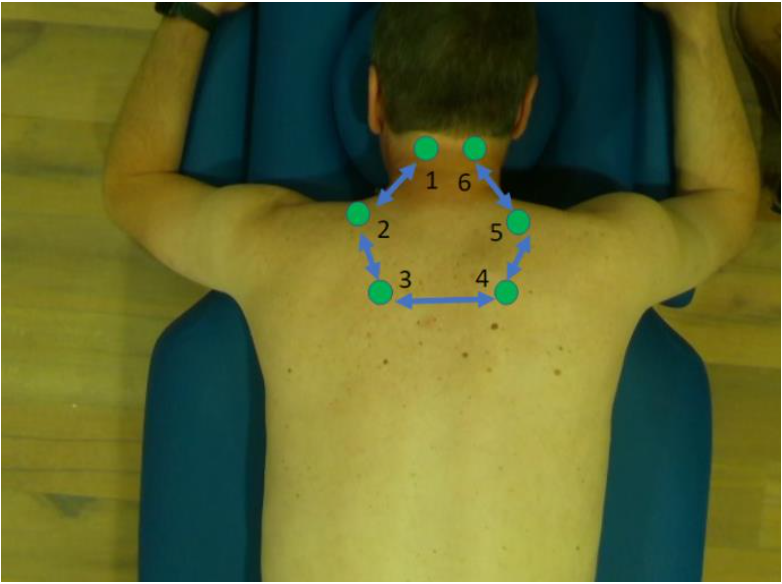 Objective: The objective of this study is to validate the efficacy and safety of a CE-marked robotic device, ADAMO Robot for the rehabilitation of non-specific cervicalgia.
Methods: This is a unicentric, randomized, double-blind, controlled clinical trial. The study will include 60 patients with non-specific cervicalgia who will be randomly assigned to either the experimental group (robotic device) or the control group (conventional physiotherapy). The primary endpoint will be pain reduction measured by visual analogue scale (VAS) at 4 weeks after treatment. Secondary endpoints will include improvement in neck mobility, quality of life, and patient satisfaction. Adverse events and device-related complications will also be monitored.
Results: The study is currently ongoing, and results are not yet available. However, preliminary data suggest that the robotic device is safe and well-tolerated by patients.
Conclusion: Non-specific cervicalgia is a common condition that can cause significant pain and disability. Current treatment options are limited and often ineffective. This study aims to validate ADAMO Robot for non-specific cervicalgia rehabilitation. If successful, this device could provide an innovative and effective treatment option for patients suffering from this condition. The results of this study have the potential to significantly impact the field of physical therapy and improve patient outcomes.
Design of Deep Learning Models for Image Diagnosis and Treatment through Thermal Imaging Analysis for the Adamo Robot Product
Authors: Álvaro José García Tejedor, Alberto Nogales Moyano, Samir Nabulsi, Carlos Jiménez, Manuel Rodríguez.
This project presents a comprehensive study on the design of deep learning models for image diagnosis and treatment through thermal imaging analysis for the Adamo Robot product.
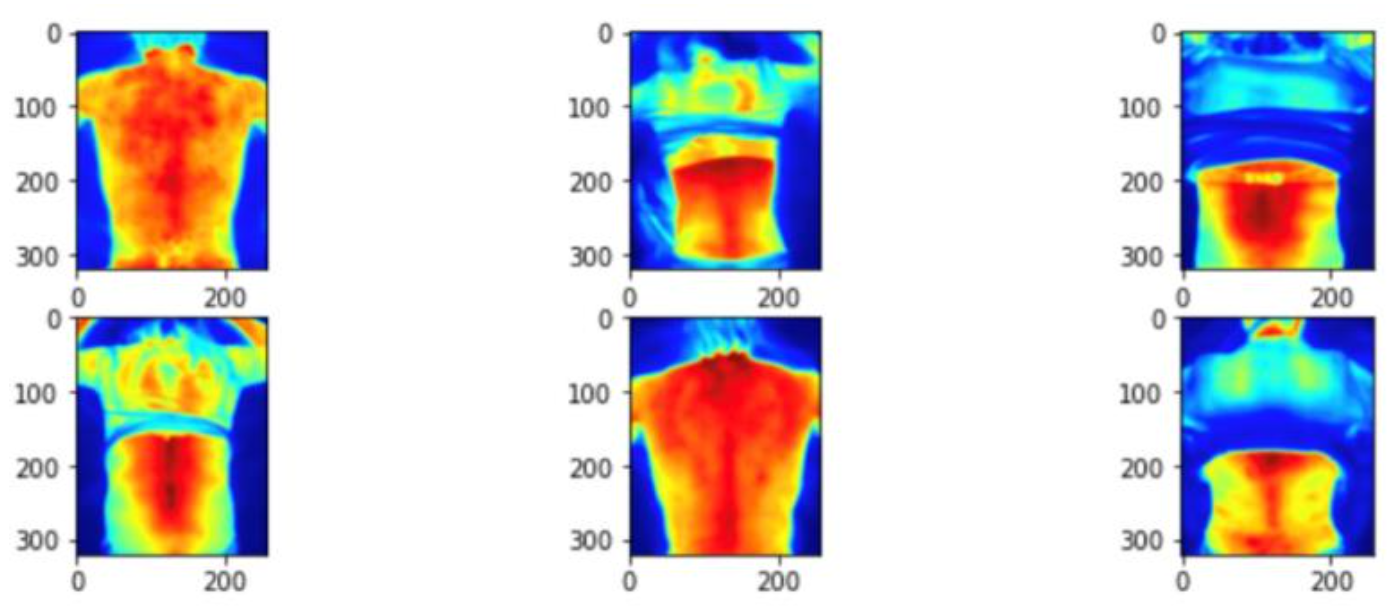 The main objective of this project is to integrate deep learning models into the ADAMO Robot ecosystem to improve its diagnostic and treatment capabilities. To achieve this goal, two use cases will be addressed. The first one involves making a prognosis of whether a patient suffers from cervicalgia based on patient data and a thermal image. In the second case, anomalies in the cervical-dorsal and dorsal-lumbar areas will be detected solely through thermal imaging to recommend a treatment associated with that area that can be performed by the ADAMO robot.
It is essential to compile information about previous work in this field to obtain useful insights into how many data are required to train models, what technical characteristics images should have, which models are most efficient in processing data, and their approximate accuracy. This information will help in developing effective deep learning models for image diagnosis and treatment through thermal imaging analysis.
The study was conducted by Álvaro José García Tejedor, Alberto Nogales Moyano, Samir Nabulsi, Carlos Jiménez, and Manuel Rodríguez. The authors used various tools and technologies such as Python programming language, TensorFlow library for machine learning algorithms implementation, OpenCV library for image processing tasks, among others.
In conclusion, the study provides valuable insights into designing deep learning models for image diagnosis and treatment through thermal imaging analysis for the Adamo Robot product. The results obtained from this study will help in improving the diagnostic and treatment capabilities of the ADAMO Robot ecosystem, which can have a significant impact on the healthcare industry.
Effects of treatment with Robot Adamo on “tender points” to improve pain and sleep quality in women with fibromyalgia in the Community of Madrid.
Authors: Manuel J Rodríguez Aragón and Davinia Vicente Campos.
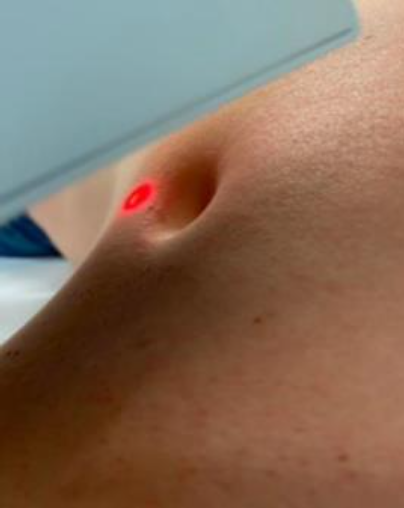 Fibromyalgia is a chronic disorder characterized by widespread musculoskeletal pain, fatigue, and sleep disturbances. The aim of this study was to evaluate the effects of treatment with Robot Adamo on “tender points” to improve pain and sleep quality in women with fibromyalgia in the Community of Madrid.
The study was conducted using an online format for data collection, both before and after treatment. The primary objective was to assess the effects of Robot Adamo on musculoskeletal pain and sleep quality, while secondary objectives included evaluating its effects on local musculoskeletal temperature at “tender points”. The study found that treatment with Robot Adamo had beneficial effects on temperature, quality of life, pain, and sleep quality in women with fibromyalgia.
Specifically, there was a significant reduction in musculoskeletal pain and improvement in sleep quality after treatment.
Additionally, local musculoskeletal temperature at “tender points” increased significantly after treatment. These findings suggest that Robot Adamo may be a promising tool for managing symptoms associated with fibromyalgia. In conclusion, this study provides evidence for the effectiveness of Robot Adamo as a non-invasive treatment option for improving pain and sleep quality in women with fibromyalgia. Further research is needed to confirm these findings and explore the potential mechanisms underlying the observed effects.
Effect of continuous pressure with thermoregulated compressed air of therapeutic robot on patients with trigger point 1 of the upper trapezius muscle.
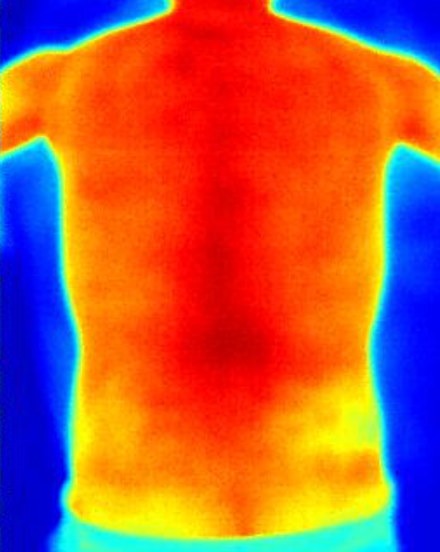 Introduction: Myofascial pain syndrome is a frequent pathology linked to the appearance of trigger points, without a clear explanation for their appearance. Trigger points have been considered as one of the main causes of myofascial pain syndrome, constituting a great challenge for public health systems.
Objective: To evaluate the effects of continuous thermoregulated pressure from ADAMO Robot on myofascial pain and range of motion in patients with trigger point 1 of the upper trapezius muscle.
Methods: The study is a randomized clinical trial of analytical experimental longitudinal and prospective non-blinded type.
Results: The study aims to offer treatment with ADAMO Robot on trigger point 1 of the upper trapezius muscle, in case the results are statistically significant in favour of the intervened group. The recruitment will be done through an informative poster that will be disseminated through social networks and will be placed visibly in the physiotherapy department. The poster will contain a QR code and a link to a questionnaire where inclusion and exclusion criteria for the study will be collected. Subsequently, eligible subjects will be contacted for the study.
Conclusion: The use of ADAMO Robot technology can help alleviate myofascial pain and improve quality of life for patients with trigger point 1 of the upper trapezius muscle.